

Orbital mobility for the whole life of a satellite.
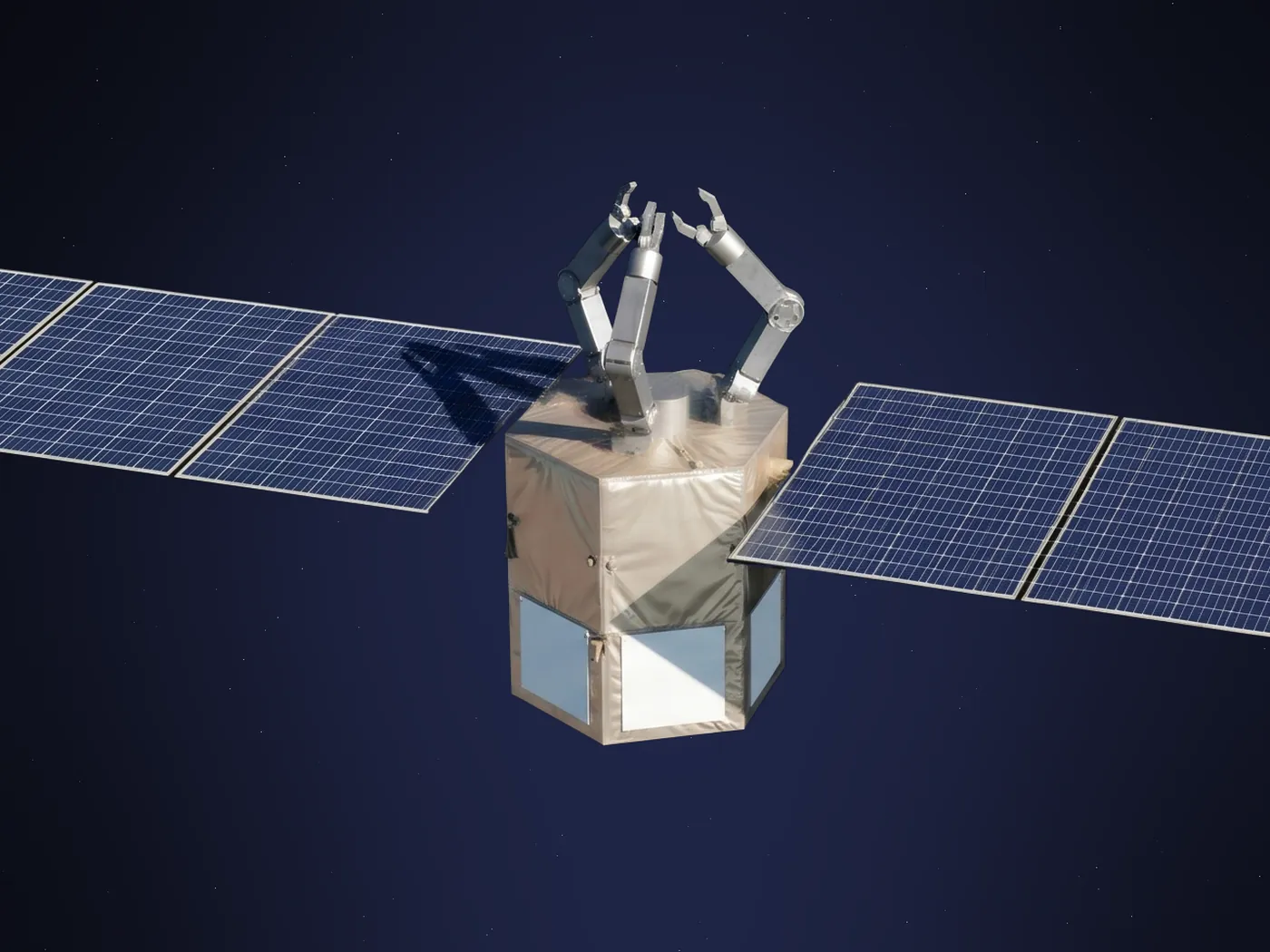
Thorus raises satellites to their operational orbit, inspects objects in orbit and extends the life of satellites already in service.
We build Thorus, an orbital vehicle that stays in orbit for years and moves from one client mission to the next. Its HPCR® propulsion is developed and tested in our laboratory in Bruz, France.
What Thorus does in orbit
Orbit raising
Launchers · Manufacturers · Operators
From the injection orbit to the operational orbit, GEO included. The satellite keeps its propellant for its mission.
Learn more02
Inspection & protection
Defence · Agencies · Operators
Close-range observation of objects in orbit, to diagnose a satellite or characterise an unknown object.
Learn more03
Lifetime extension
Satellite operators
Station-keeping and repositioning for satellites that still work but run short of propellant.
Learn moreServices start with the entry into service of the Thorus fleet. End-of-life deorbiting will follow as a future capability, prepared by the TAC and ALBATOR programmes.
From low Earth orbit to geostationary orbit
Most launchers release satellites a few hundred kilometres up. A geostationary satellite works 35,786 km above the equator. Thorus does the climb in about three months, and the satellite keeps its own propellant for its mission.
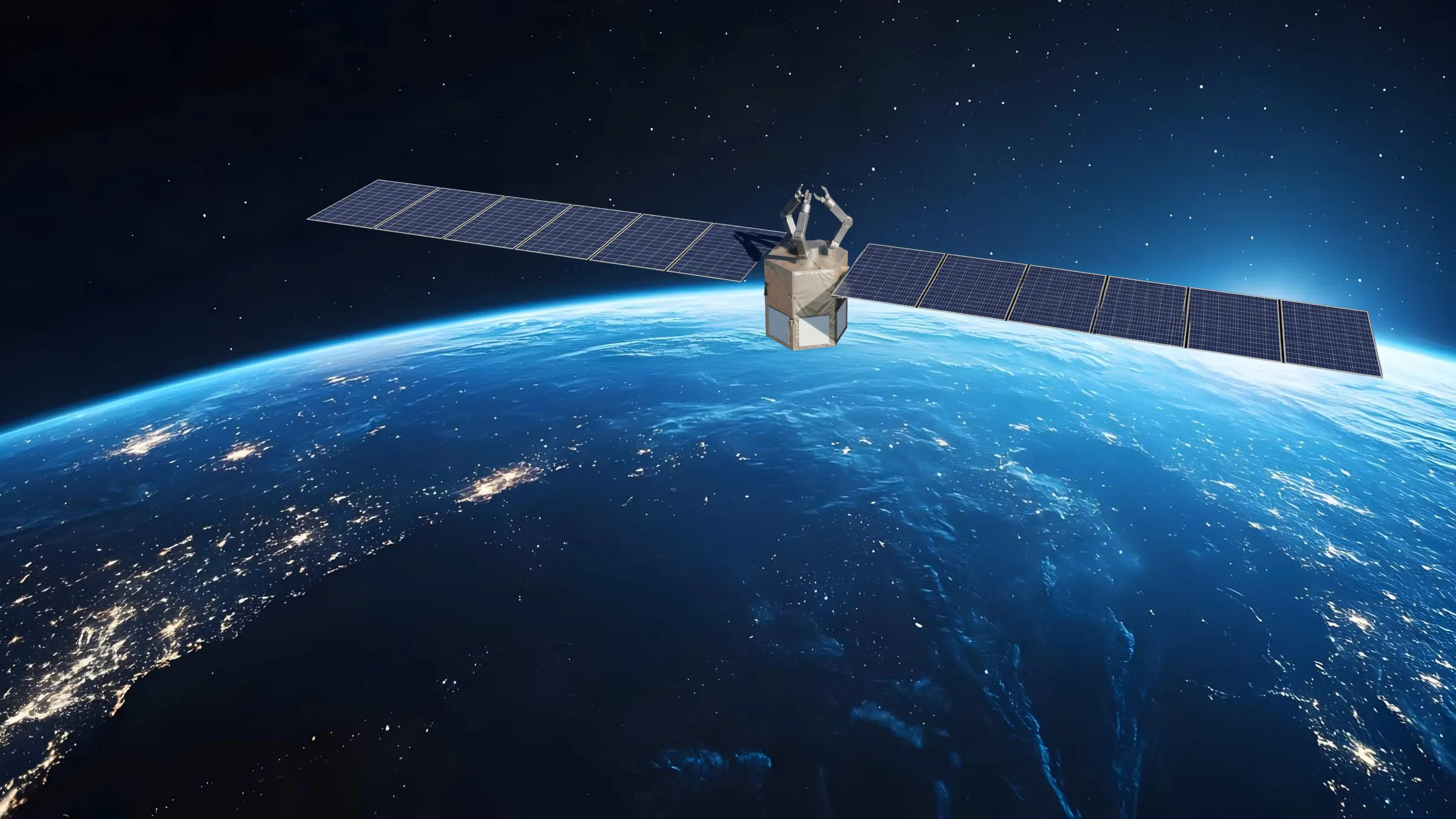
Thorus
Solar power, HPCR® propulsion and robotic arms, designed to serve several clients during its life in orbit.
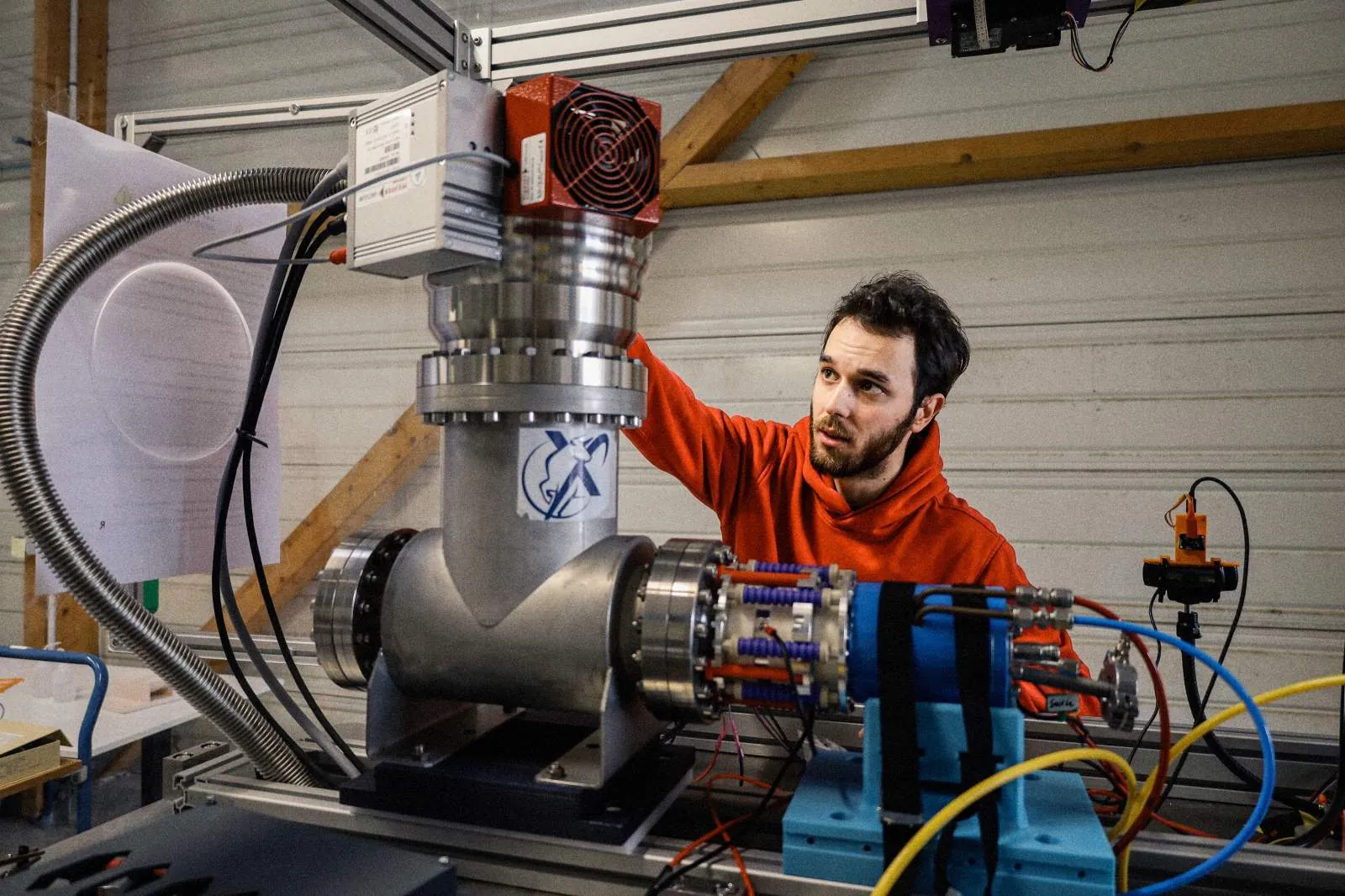
HPCR®, designed and tested in Bruz
High Power Cyclotron Resonance turns electrical power into thrust by ionising a small amount of gas and accelerating it. It builds on thirty-five years of research at CNRS ICARE.
HPCR® works alongside chemical propulsion: the launcher does the climb out of the atmosphere, and Thorus takes over once in orbit.
Inside HPCR®Selected by European programmes
Independent expert panels selected OSMOS X to coordinate two European research projects.
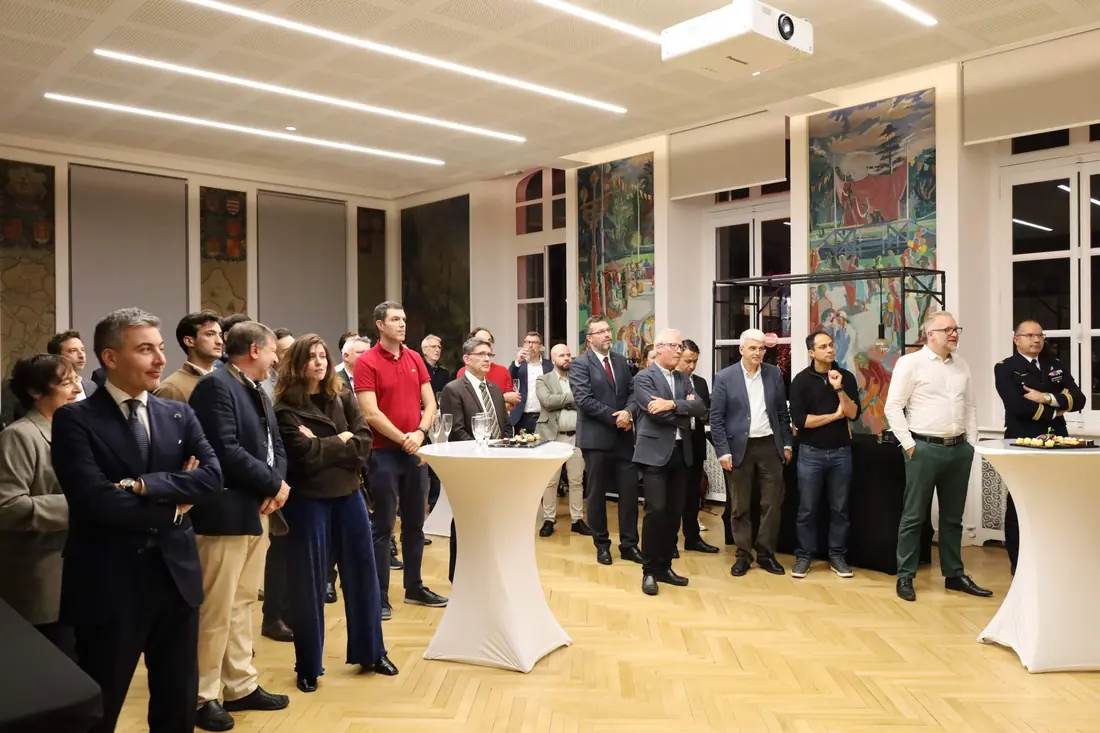
 European Defence Fund · Coordinator
TAC, Tactical-Capture
Seven partners from five countries develop, over 30 months, a servicer able to approach an object in orbit, inspect it and attach to it by welding, without a docking interface.
The TAC project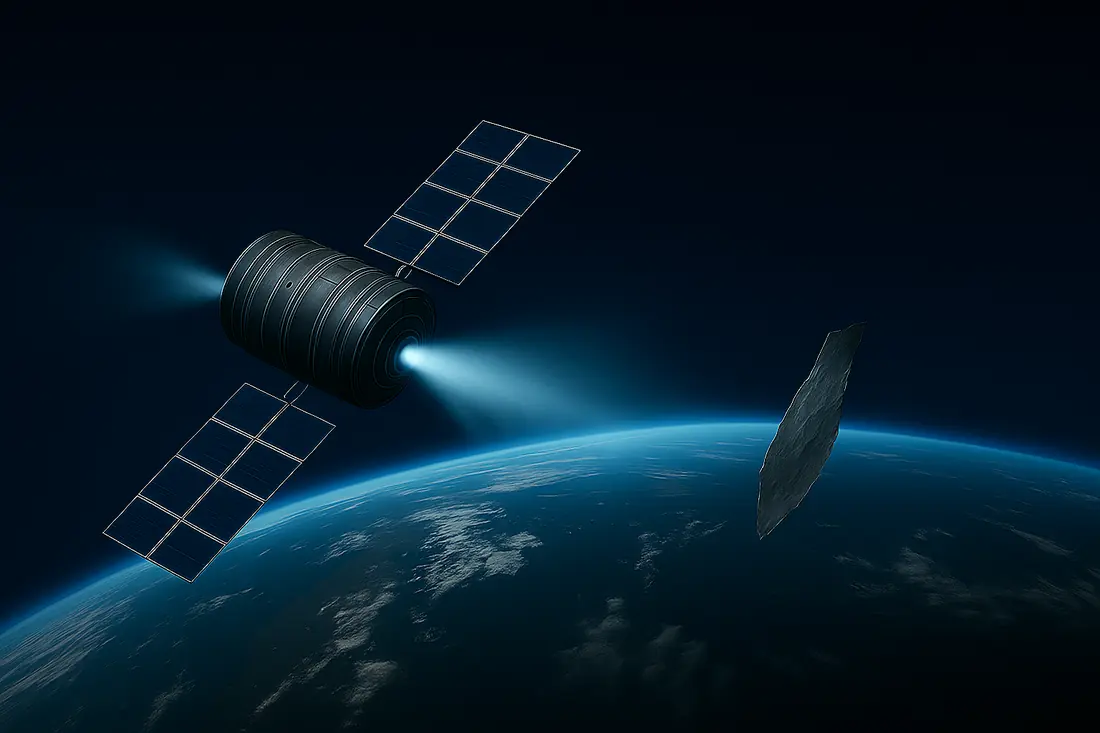
 Horizon Europe · Coordinator
ALBATOR
Contactless interaction with a debris object using an ion beam, a way to act on an object in orbit without touching it.
The ALBATOR projectLatest news
OSMOS X kicks off the European TAC project in Toulouse
Programme
Funded by the European Defence Fund, TAC brings together seven partners from five Member States for 30 months to develop in-orbit capture by welding.
Read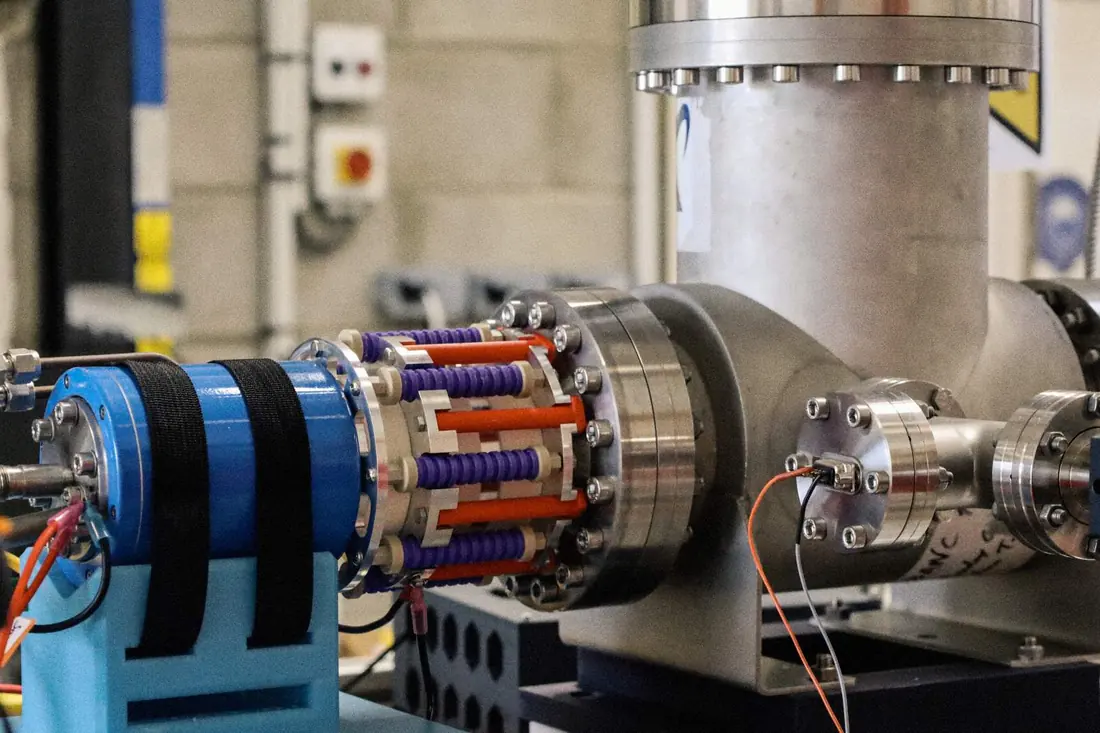
OSMOS X clears the Preliminary Design Review for its first space flight
Milestone
The in-orbit demonstration of HPCR®, run with SpaceLocker, moves into detailed design ahead of a launch in 2027.
Read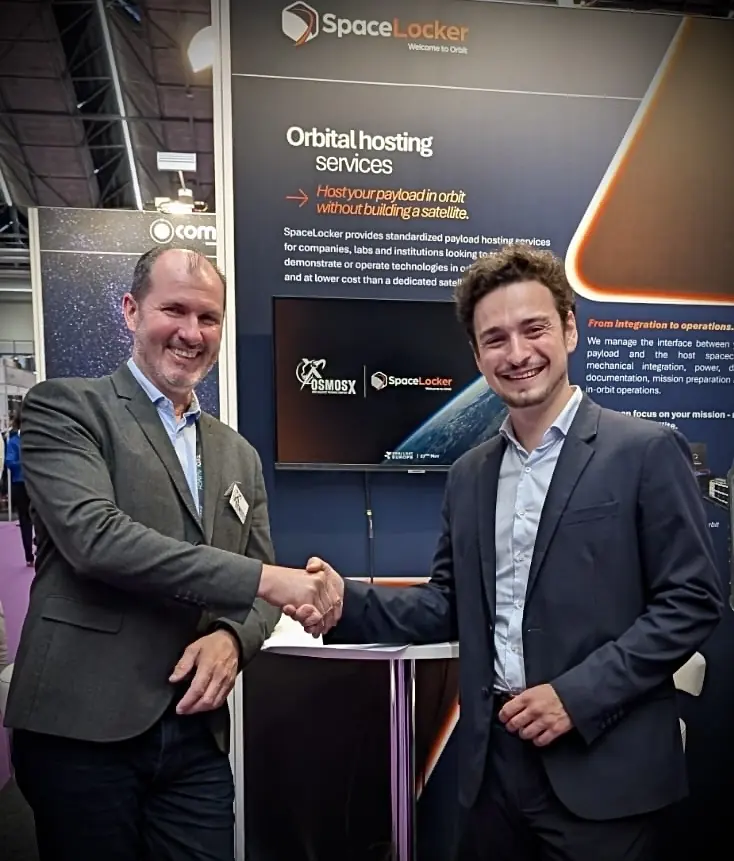
OSMOS X and SpaceLocker sign for a first in-orbit demonstration in 2027
Partnership
Signed at SmallSat Europe, the agreement covers the first flight of a reduced-scale HPCR® thruster, on a mission hosted by SpaceLocker.
ReadOrbital mobility, explained
With the support of







Member of



Let's talk about your mission.
Tell us about the satellite, the orbit it needs and your timeline. Our mission team comes back to you with a first assessment.