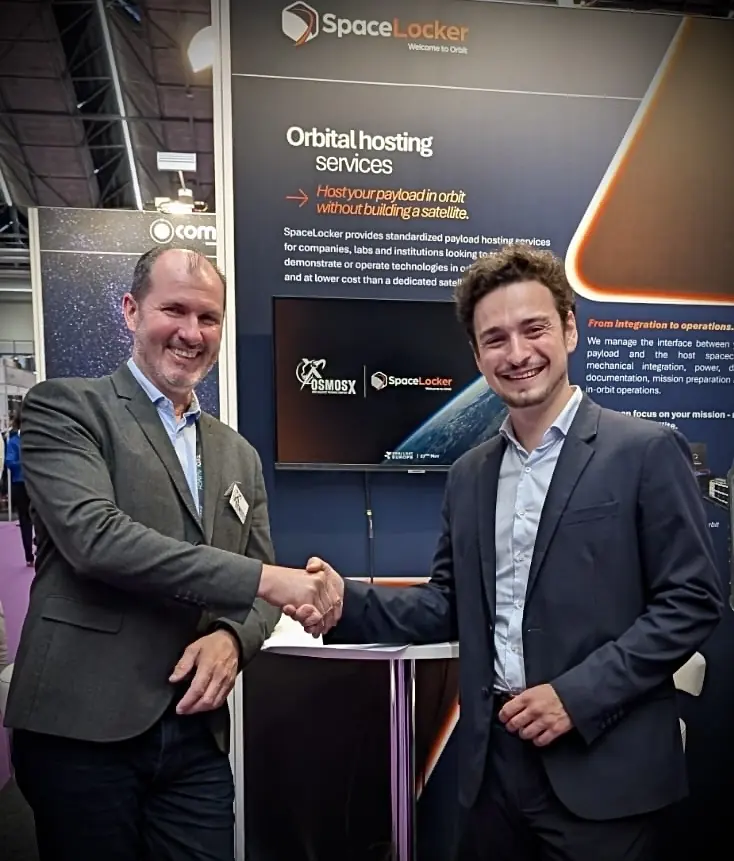
OSMOS X kicks off the European TAC project in Toulouse
Funded by the European Defence Fund, TAC brings together seven partners from five Member States for 30 months to develop in-orbit capture by welding.
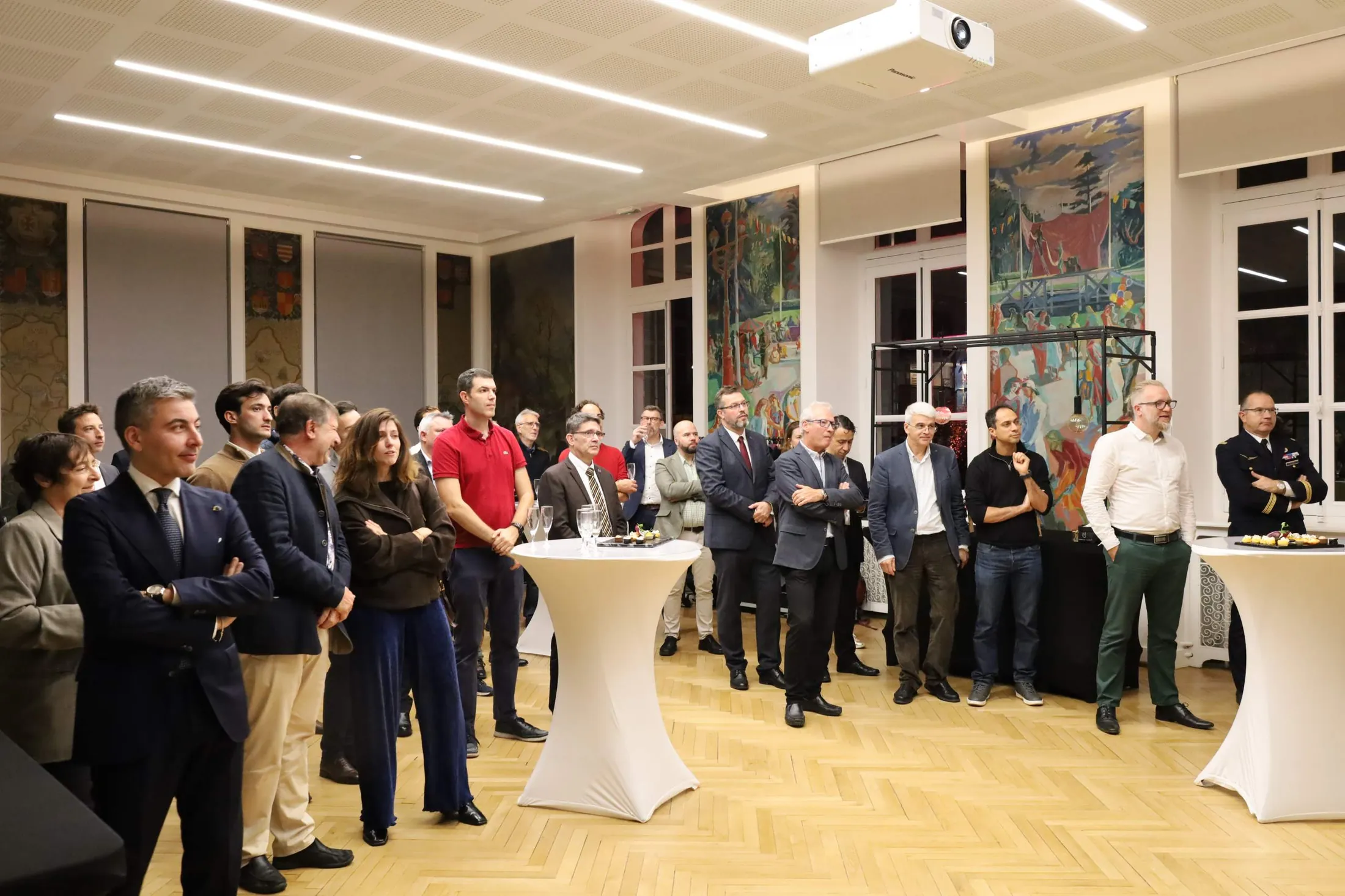
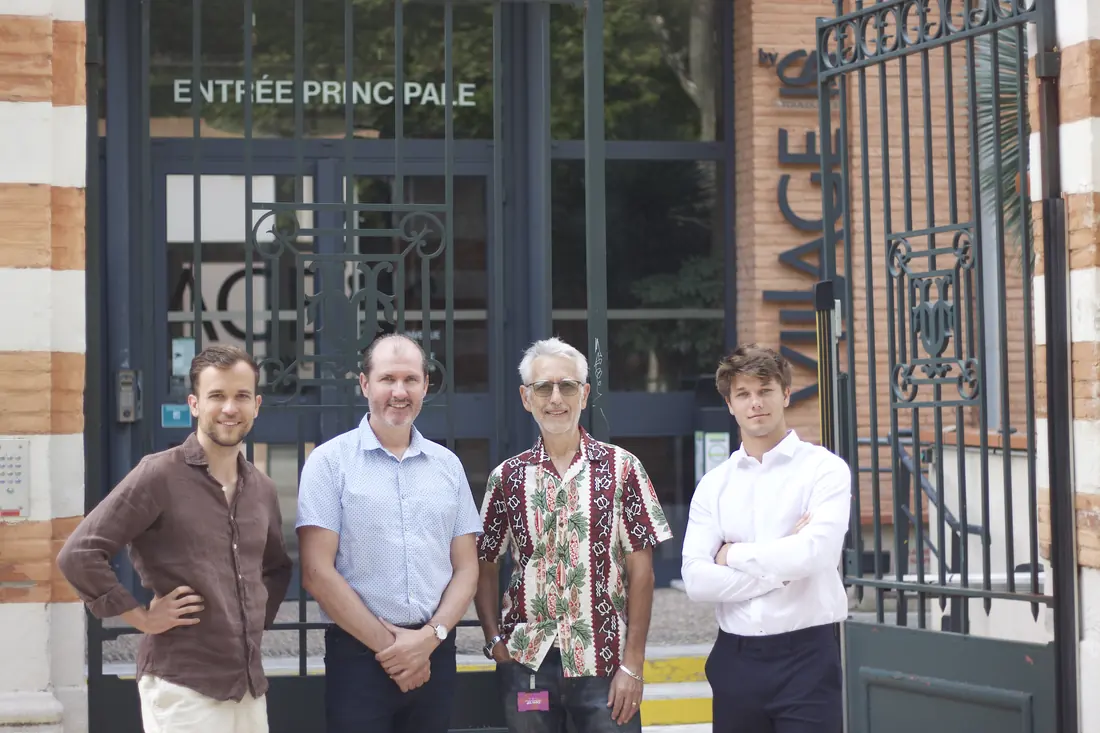
OSMOS X officially launched TAC (Tactical-Capture), the European research project it coordinates, in Toulouse at the end of October. The consortium met on 27 October at the Cité de l'espace for its kick-off meeting, the day after a launch evening at the Palais Consulaire attended by the European Defence Agency, the NATO Space Centre of Excellence and many organisations from the European space sector.
Most satellites in orbit today were never designed to be docked with. To attach to a spacecraft, current systems need a compatible docking interface and a target that cooperates. A damaged or older satellite, or one that was never meant to be serviced, therefore remains out of reach.
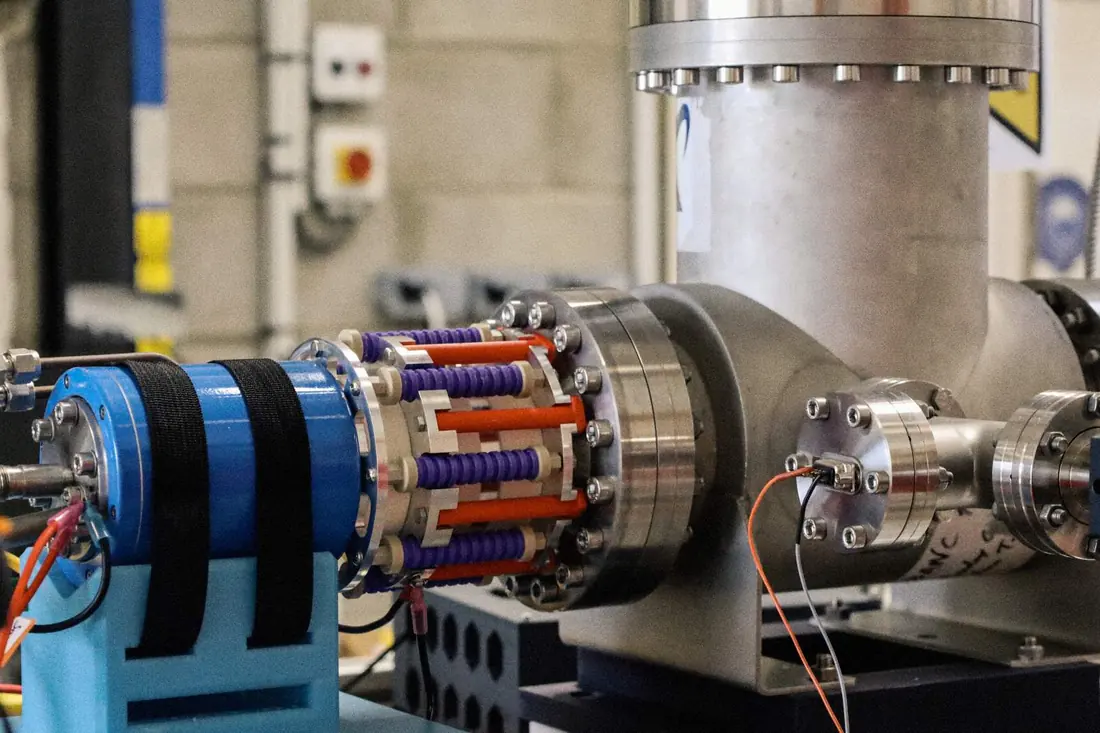
TAC aims to remove this limitation. Over 30 months, the consortium will develop a servicer able to approach an object in orbit, inspect it and then attach to it by welding, with no interface prepared in advance. This capability paves the way for missions such as inspecting, protecting or relocating satellites, and eventually, if needed, removing them from orbit. It is relevant to defence as well as to commercial and institutional operators.
The project was selected by the European Defence Fund under the SMERO call, which is reserved for SMEs and research organisations. French start-up ArcSpace brings the welding technology at the heart of the capture system, and the LPGP laboratory (CNRS, Université Paris-Saclay) handles in-situ diagnostics and quality control of the process. Swedish company Vimotek develops the digital twin environment, and works with Politecnico di Milano and Poznan University of Technology on the algorithms and sensors needed for proximity operations. Germany's Kinetik Space designs the robotic arm linked to the welding unit. Finally, OSMOS X, as system integrator, brings everything together into a single servicer concept.
Guests at the launch evening on 26 October included representatives of CNES, ONERA, Airbus Defence and Space, Thales Alenia Space, ArianeGroup, Hemeria, Astroscale and several start-ups. Arnaud Masson, CEO of OSMOS X, and Emily Brageot Mattei, who leads the project at OSMOS X, opened the speeches. They were followed by Dr Alfredo Lamberti, Project Officer at the European Defence Agency, and by representatives of the partners. Colonel Patrick Heim, Director of the NATO Space Centre of Excellence, closed the evening by recalling how space has evolved from an operational enabler into a contested domain in its own right.
Europe needs to know what is happening in orbit and to be able to act there, including to protect its own satellites. With TAC, seven teams from five countries will spend 30 months working on a way to attach to an object that was never designed for it. We wanted to start this work in Toulouse, at the heart of the European space ecosystem.
Arnaud Masson, CEO of OSMOS X
About TAC
TAC (Tactical-Capture: Development of Tactically Responsive In-Space Mobility and Standard Interface-less Capture Technology by Welding) is a 30-month research project funded by the European Union under the European Defence Fund. It brings together OSMOS X (France, coordinator), ArcSpace (France), CNRS (France), Kinetik Space (Germany), Poznan University of Technology (Poland), Politecnico di Milano (Italy) and Vimotek (Sweden).

Funded by the European Union. Views and opinions expressed are however those of the author(s) only and do not necessarily reflect those of the European Union or the European Defence Agency. Neither the European Union nor the granting authority can be held responsible for them.