

Orbit raising
From the injection orbit to the operational orbit, GEO included, while the satellite keeps its propellant for its mission.
Launch is only part of the journey
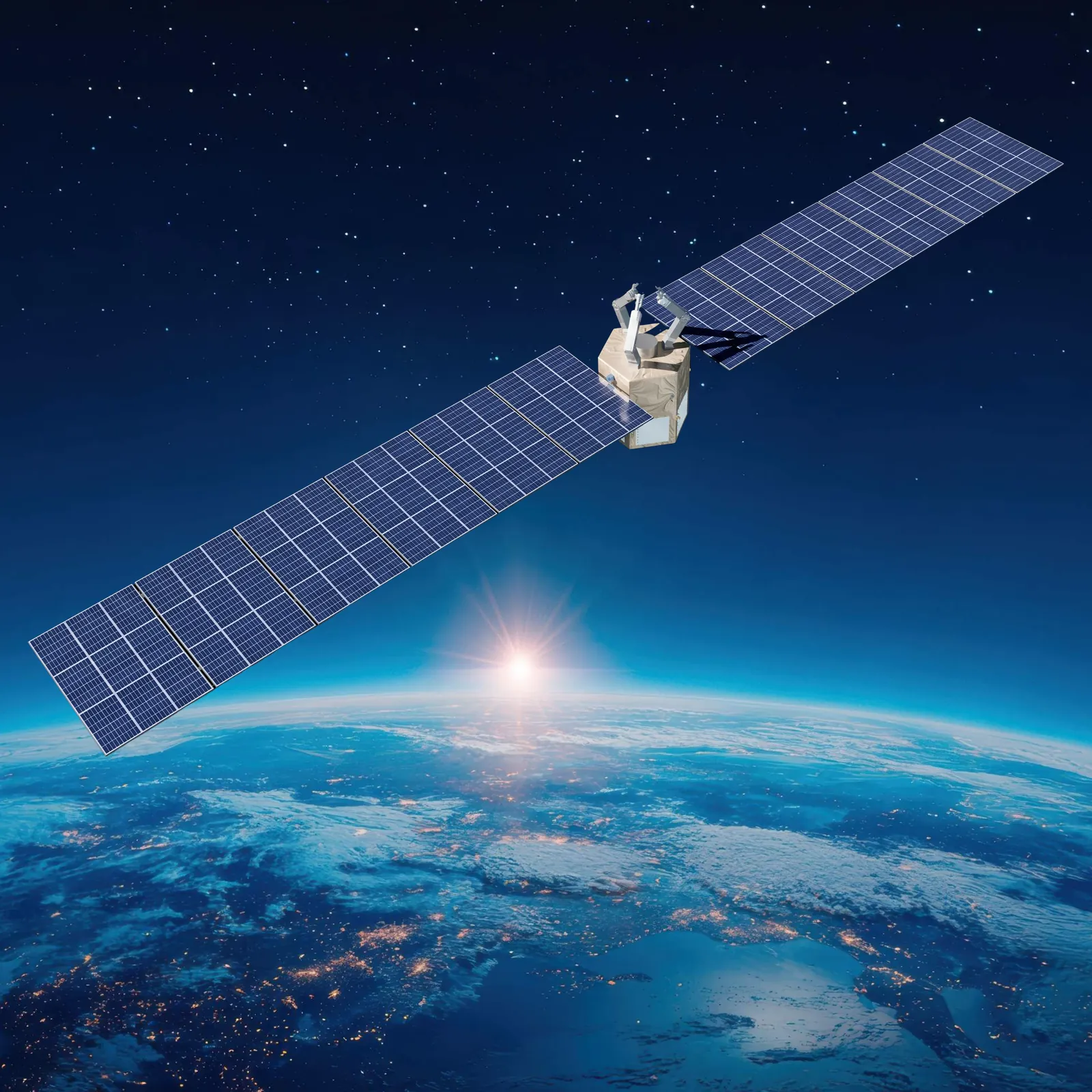
Small and medium launchers deliver to low Earth orbit. Rideshare missions release satellites where the main passenger needs to go. A satellite headed for MEO or GEO then climbs on its own propellant, or its operator pays for a launch to a higher orbit.
Thorus takes over the climb. The satellite reaches its orbit with its tanks still full.
Four steps from launcher to orbit
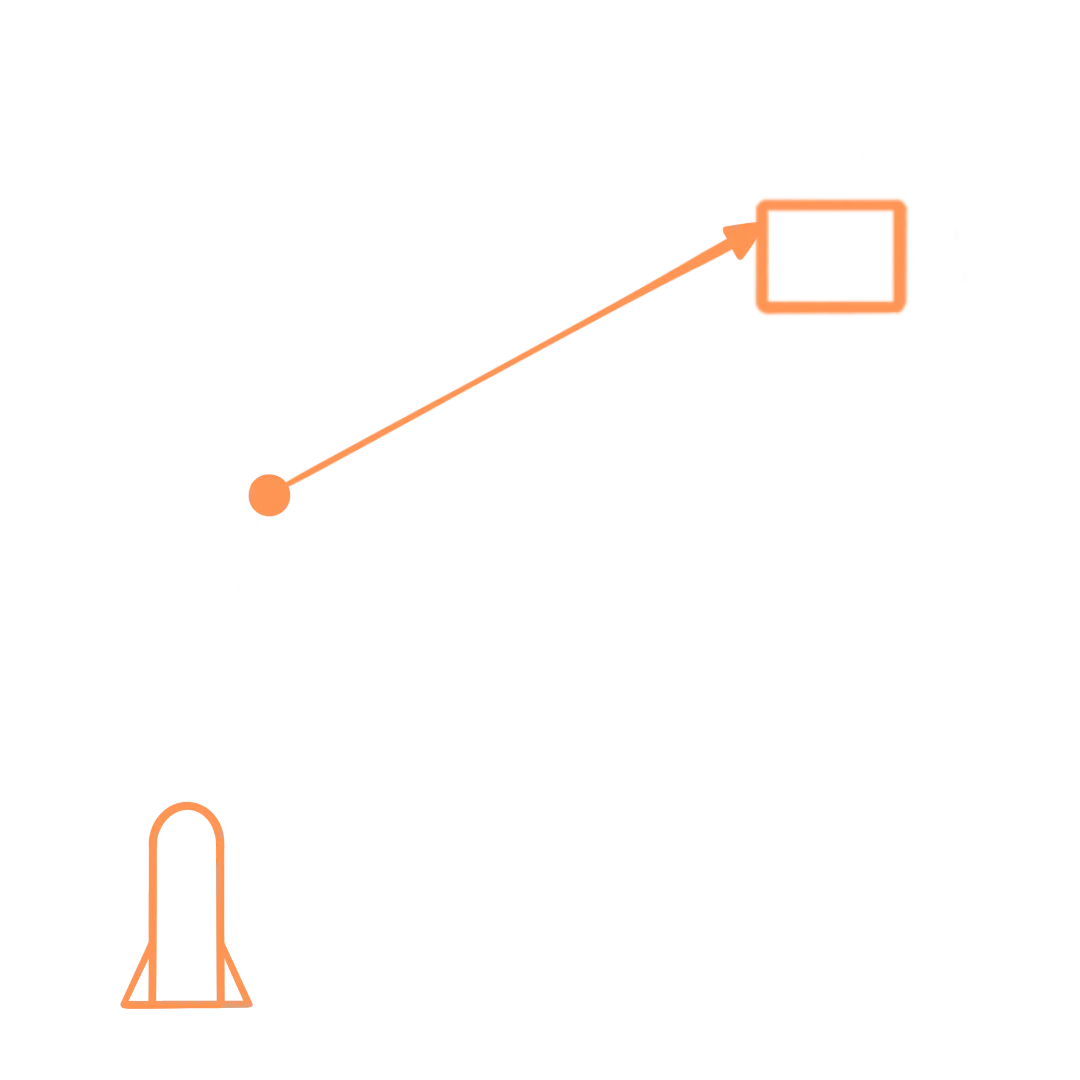
Separation
The launcher releases the satellite in low Earth orbit or in GTO, on a rideshare or a dedicated launch.

Rendezvous and capture
Thorus, already in orbit, meets the satellite and secures it with its robotic arms.
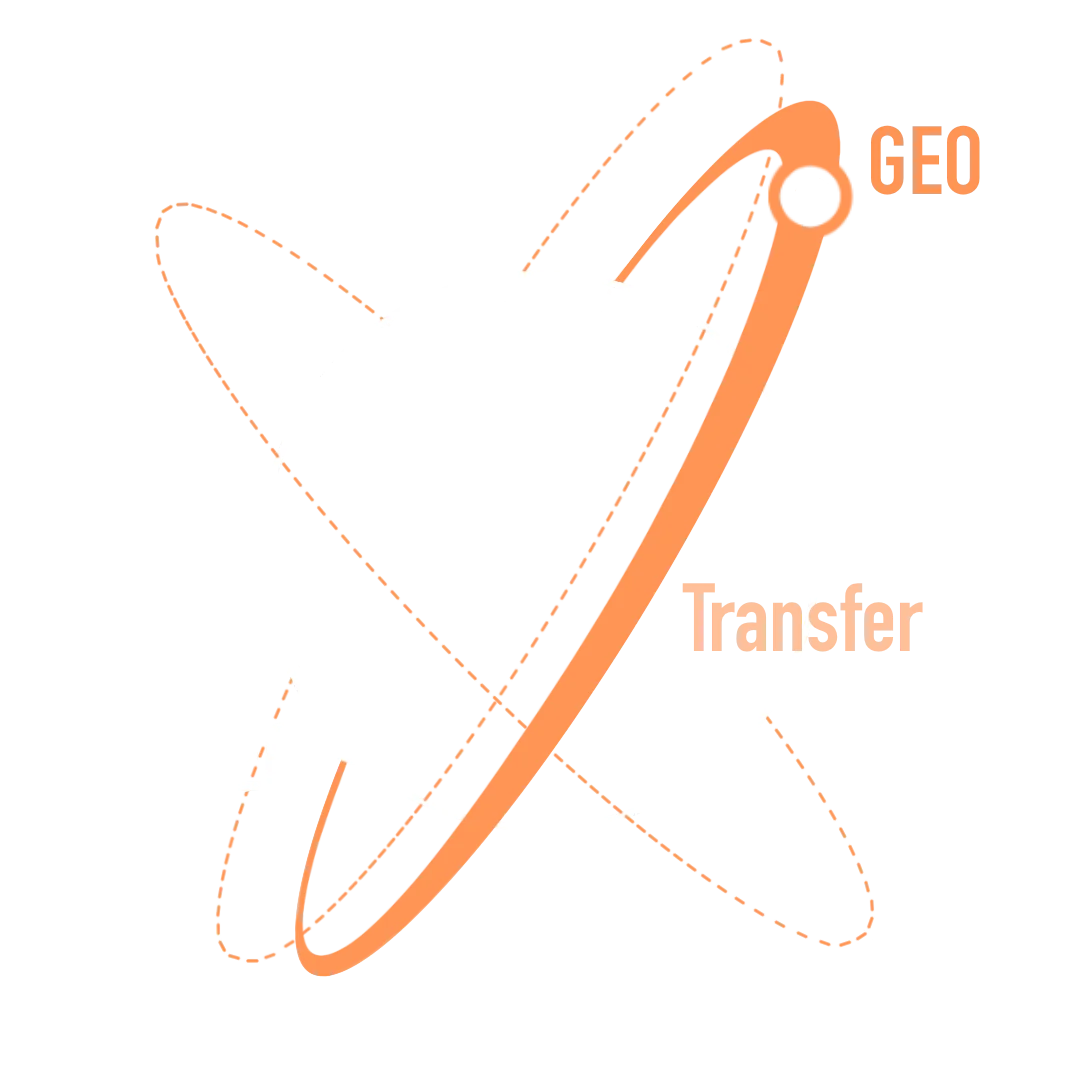
Transfer
HPCR® raises the orbit in a slow spiral. The satellite's own propellant stays in its tanks.

Release
Thorus releases the satellite on its operational orbit, then moves on to its next mission.
One transfer, three ways to use it
Satellite operators
More launch opportunities, and propellant kept for station-keeping over the satellite's life.
For operators02Satellite manufacturers
Platforms that do not carry their transfer propellant can be lighter, or carry more payload.
For manufacturers03Launch providers
A launch to LEO plus a Thorus transfer becomes a delivery to GEO for your customers.
For launchers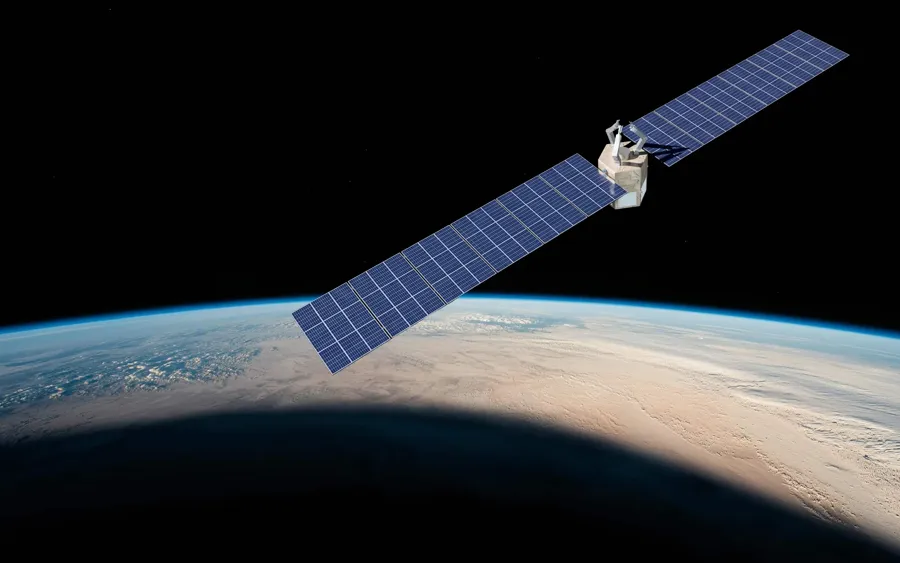

Tell us where your satellite needs to go.
Satellite mass, injection orbit, target orbit and launch window are enough for a first assessment.