From LEO to GEO: how satellites reach geostationary orbit
Geostationary orbit sits 35,786 km above the equator. The route a satellite takes to get there decides how much propellant it burns and how long it waits before earning revenue.
In short
- Most satellites bound for GEO are launched into a geostationary transfer orbit (GTO) or into low Earth orbit (LEO), then climb the rest of the way.
- The climb from LEO to GEO needs a velocity change of about 3.9 km/s with a classic two-burn transfer, and more with a slow electric spiral.
- Chemical orbit raising takes hours to days and burns a large share of the satellite’s mass. Electric orbit raising uses several times less propellant and takes months.
- A transfer vehicle takes the climb off the satellite, which then keeps its own propellant for station-keeping.
Why geostationary orbit is worth the climb
A satellite in geostationary orbit circles the Earth once a day, above the equator and in the direction the planet turns. Seen from the ground it does not move, so a fixed dish can point at it for years. Television broadcasting, telecommunications, weather observation and secure government communications rely on this orbit.
The orbit lies 35,786 km above the equator, roughly a tenth of the way to the Moon. Reaching it costs more energy than any other common Earth orbit.
LEO, GTO, GEO: three orbits on the way up
Low Earth orbit (LEO) extends up to about 2,000 km. Most launches end there, including the rideshare missions that carry dozens of small satellites at once.
Geostationary transfer orbit (GTO) is an ellipse. Its lowest point is close to LEO and its highest point is at GEO altitude. Launchers that serve the geostationary market usually release their satellites in GTO.
Geostationary orbit (GEO) is circular, at 35,786 km, with an inclination close to zero.
How much delta-v the climb takes
Engineers measure the cost of a manoeuvre in delta-v, the change in velocity it requires. The values below are standard orders of magnitude for a transfer in the equatorial plane with short burns. Real missions add margins and, depending on the launch site, a change of inclination.
| Leg | Approximate delta-v |
|---|---|
| Earth surface to LEO | About 9.4 km/s |
| LEO to GTO | About 2.4 km/s |
| GTO to GEO | About 1.5 km/s |
| LEO to GEO, two-burn transfer | About 3.9 km/s |
| Station-keeping in GEO | About 50 m/s per year |
Inclination adds to the bill. A launch from Kourou, close to the equator, leaves only a small change of plane to make. A launch from a higher latitude leaves a larger one, and changing the plane of an orbit is expensive in delta-v.
Chemical orbit raising
A chemical engine performs the climb in a few burns. A classic two-burn transfer from LEO to GEO lasts about five hours, and satellites released in GTO usually reach their orbit in a matter of days.
With a specific impulse of 300 s, the rocket equation gives a propellant mass of about 74% of the initial mass for a 3.9 km/s climb from LEO. A satellite that had to climb from LEO on its own chemical propulsion would be mostly propellant at launch.
Electric orbit raising, and why it takes months
The Hall-effect thrusters common on telecom satellites reach specific impulses of 1,500 to 3,000 s. Their thrust is measured in millinewtons, so the satellite spirals outward over months instead of jumping from one orbit to the next.
A slow spiral needs more delta-v than a two-burn transfer, about 4.6 km/s from a 400 km orbit to GEO in the equatorial plane, because the thruster works against gravity all the way. The propellant bill is still far lower: with a specific impulse of 1,800 s, the same equation gives about 23% of the initial mass.
The first all-electric telecom satellites, built by Boeing and launched from 2015, took six to seven months to reach their orbit. In 2017 Eutelsat 172B, built by Airbus, set a record at four months, with almost six times less propellant than a chemical transfer would have needed. During those months the satellite is not in service.
What a transfer vehicle changes
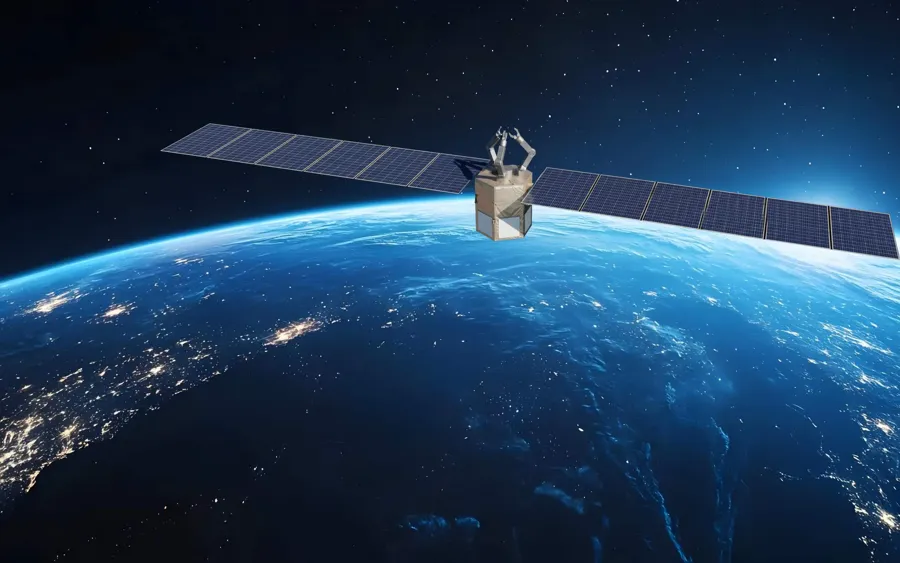
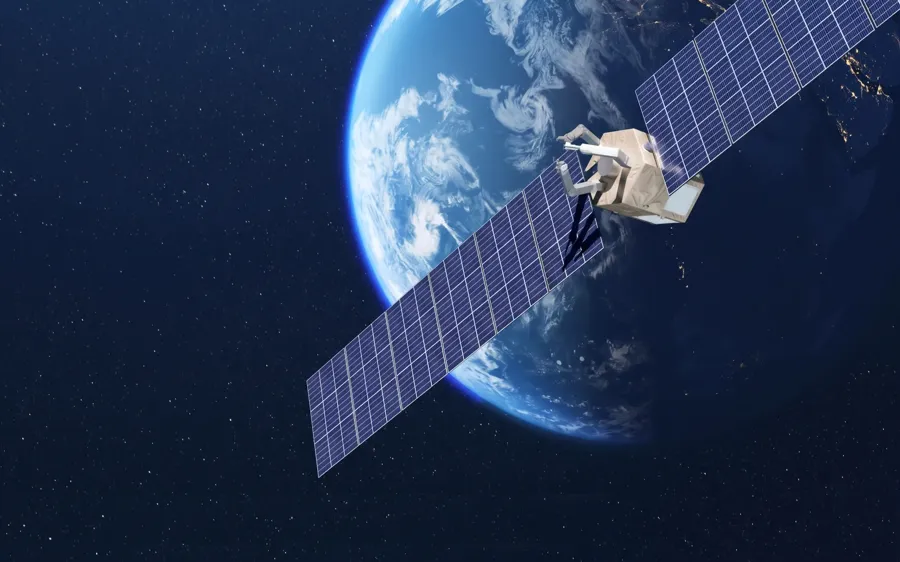
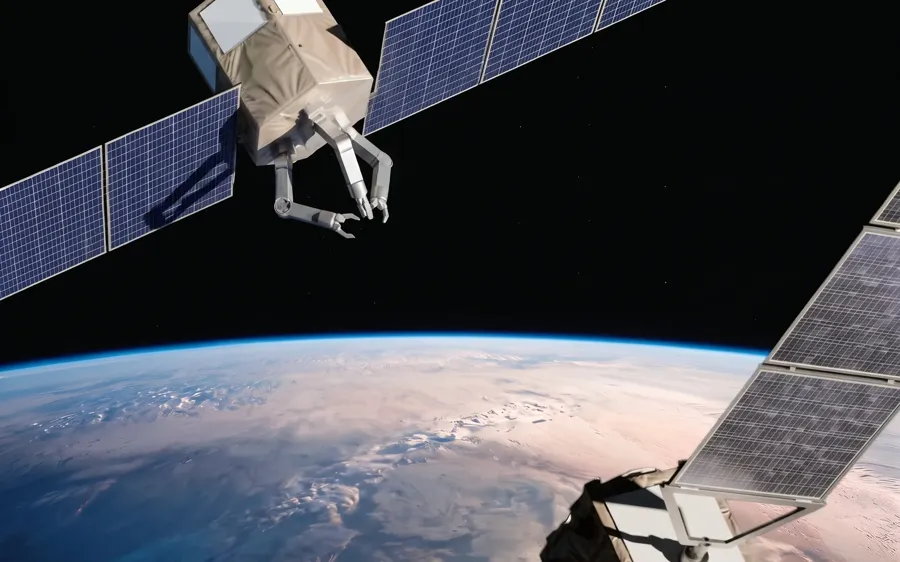
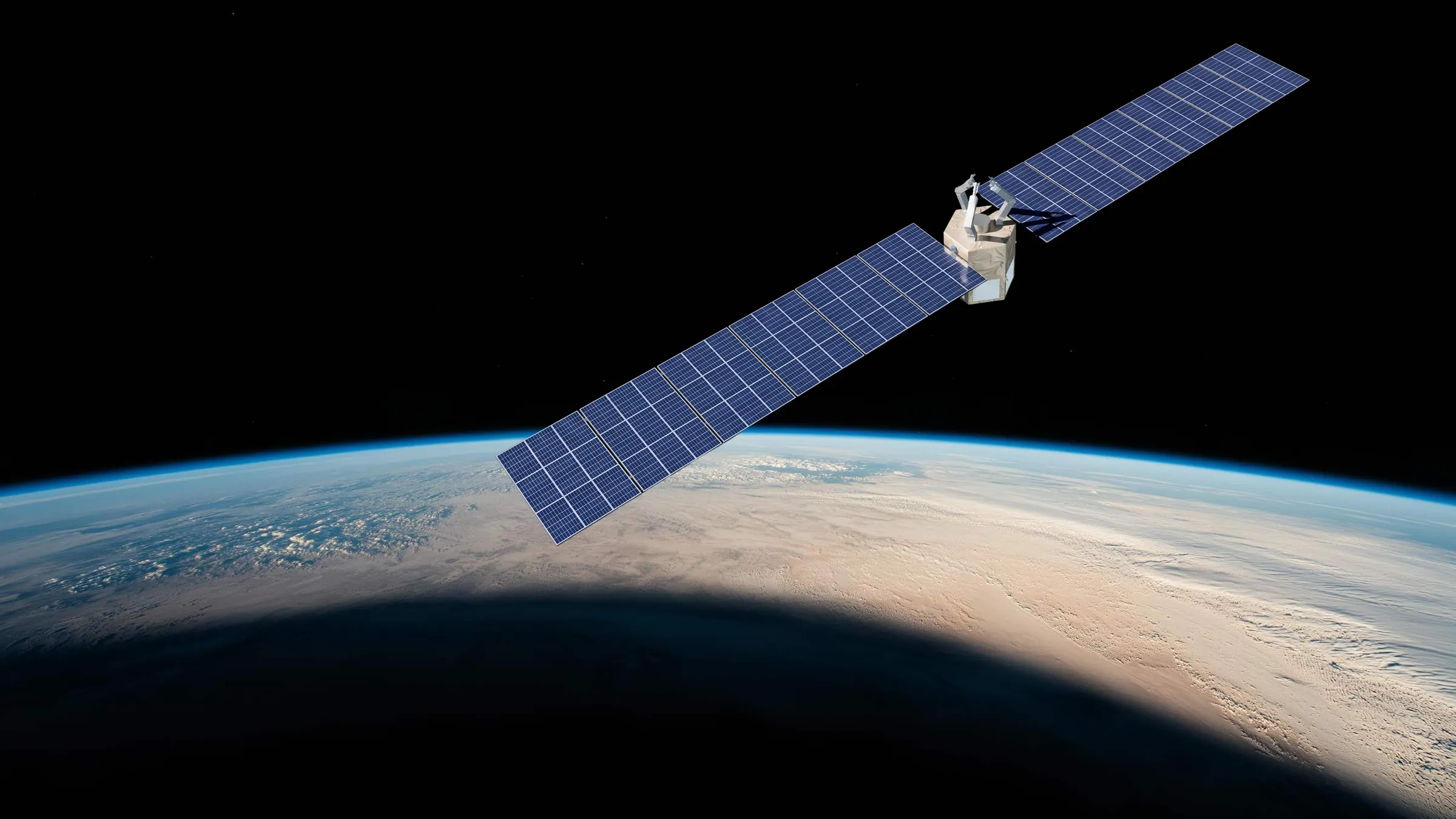
When a separate vehicle does the climb, the satellite no longer carries the propellant of the transfer, nor the months it takes. A satellite launched to LEO on a rideshare can reach GEO and arrive with its tanks full for its years of station-keeping.
Thorus is built around this idea. HPCR® is designed to keep the propellant economy of electric propulsion with more power: a specific impulse above 5,000 s and a transfer from LEO to GEO in about three months, about half the time of conventional electric orbit raising. Thorus releases the satellite on its orbit and moves on to its next mission.
| Specific impulse | LEO to GEO | |
|---|---|---|
| Chemical | About 300 to 450 s | Hours to days |
| Conventional electric | About 1,500 to 3,000 s | Four to seven months |
| Thorus with HPCR® | Above 5,000 s | About 3 months |
Chemical propulsion keeps its place in this chain, since it puts both the satellite and Thorus into orbit in the first place. The HPCR® page explains how the thruster works.
Our serviceOrbit raising with ThorusTell us the injection orbit, the target orbit and the mass of your satellite.Frequently asked questions
How far is geostationary orbit from Earth?
35,786 km above the equator, or 42,164 km from the centre of the Earth.
How long does it take a satellite to reach GEO?
From a few hours to a few days with chemical propulsion, and several months with electric propulsion. Thorus is designed to complete a transfer from LEO to GEO in about three months.
What is the difference between GTO and GEO?
GTO is an elliptical transfer orbit whose highest point is at GEO altitude. GEO is the circular orbit at that altitude, where a satellite stays above the same point of the equator.
Is electric propulsion replacing chemical propulsion?
No. Chemical propulsion remains necessary for launch and for manoeuvres that need high thrust. Electric propulsion suits long transfers and station-keeping, where saving propellant matters most.