
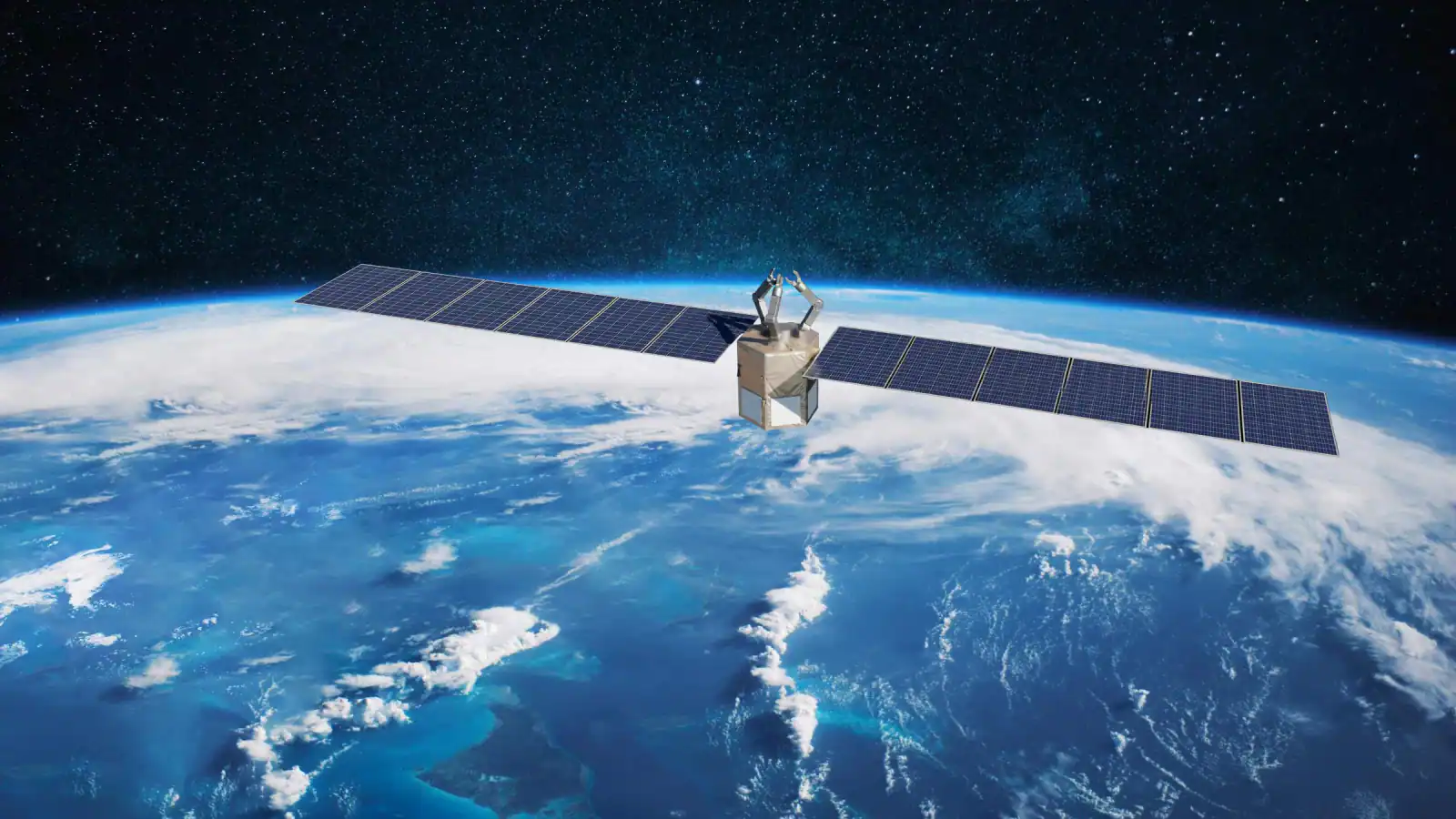
Lifetime extension
Station-keeping and repositioning as a service, so that working satellites stay in service longer.
Satellites often run out of propellant before they wear out
A geostationary satellite spends propellant every year to hold its position. When the tanks run low, the operator has to move it out of its slot even if the payload still works, and the revenue stops.
Thorus brings the propulsion the satellite no longer has.
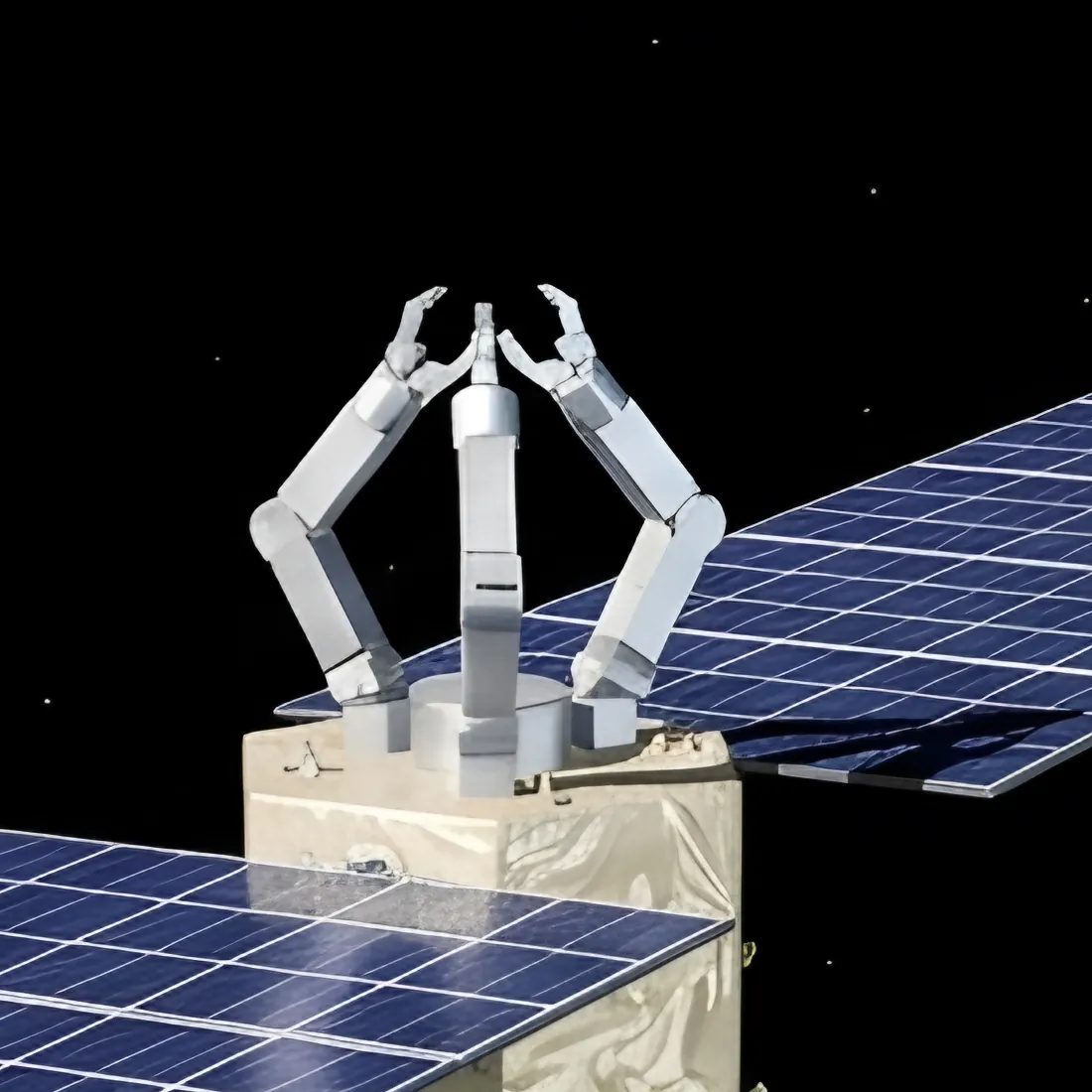
Three ways to keep a satellite working
Station-keeping
Thorus docks with the satellite and keeps it in its slot with its own propulsion.

Repositioning
Thorus moves a satellite to a new orbital position, for a new coverage area or a frequency filing.
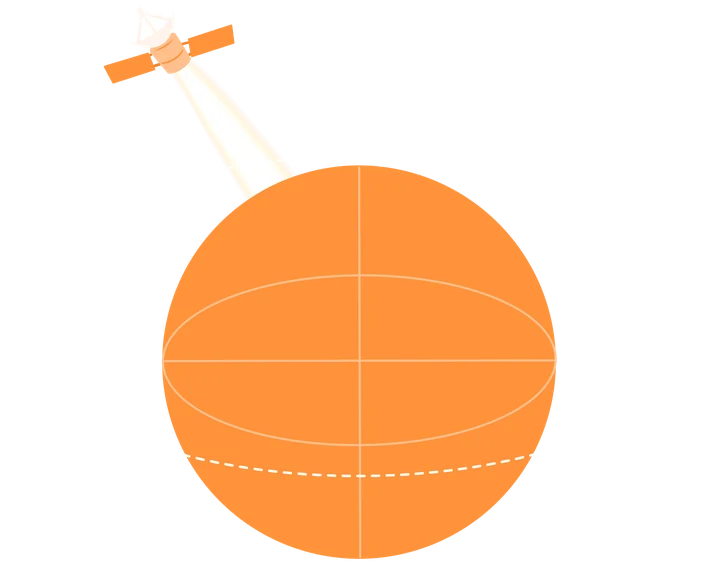
Recovery after launch
A satellite released in the wrong orbit is brought to the orbit it was meant to reach.
End-of-life deorbiting
When a satellite reaches the end of its mission, Thorus will be able to remove it from its orbit. This capability is prepared by the TAC and ALBATOR research programmes.
European programmes

Keep your satellite in service.
Tell us about the satellite, its orbit and its remaining propellant. We will look at what Thorus can do for it.