
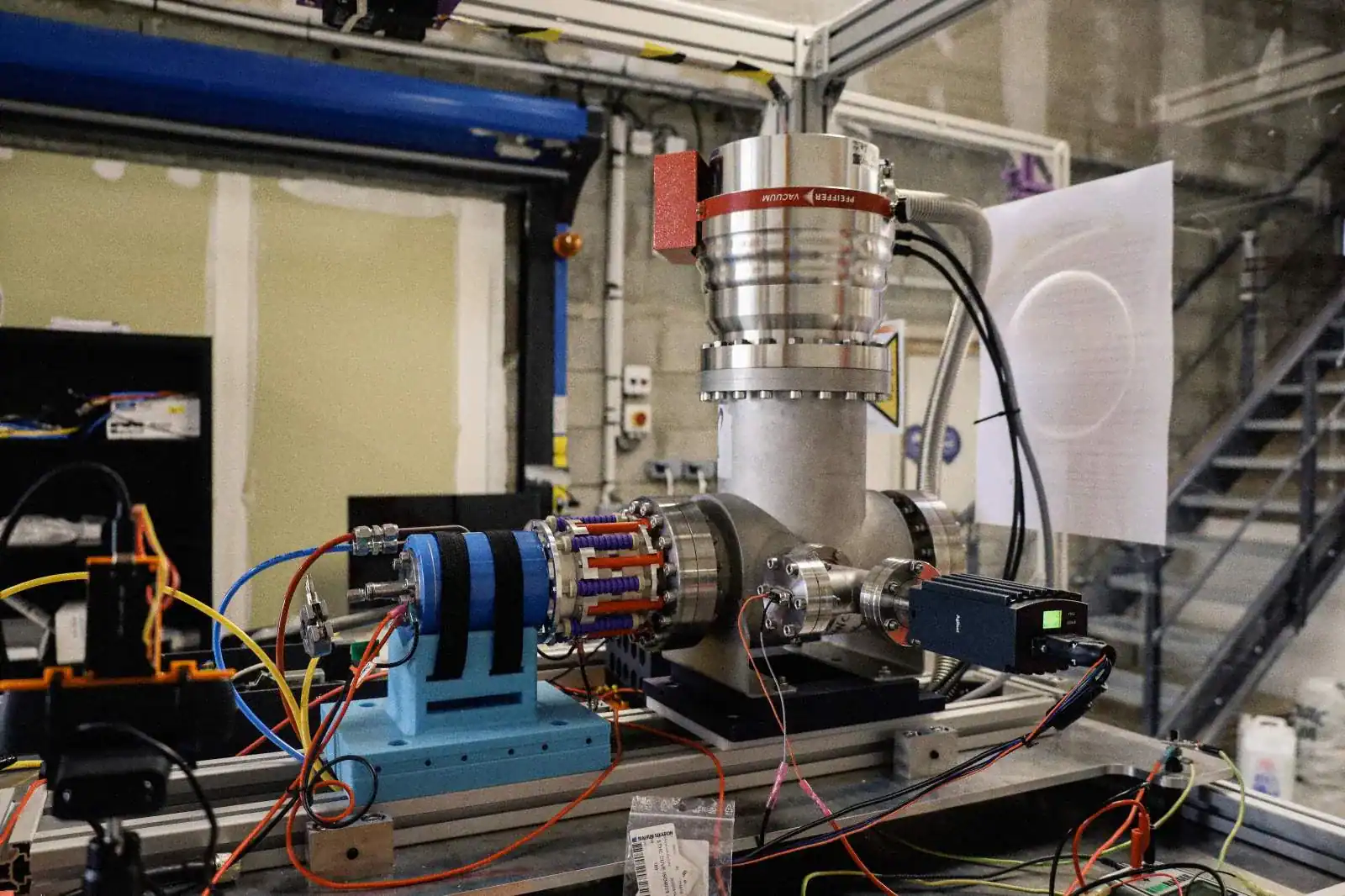
From the lab to orbit
OSMOS X qualifies HPCR® step by step, from ground tests in Bruz to a first flight in 2027, before Thorus enters commercial service.
Six steps to commercial service
- 2022Done
Founded
To turn plasma propulsion research into an orbital transport service.
- 2025Done
Bruz laboratory
New premises with a laboratory and the HPCR® test bench.
- 2026Done
Toulouse
A second site opens, the hub for orbital services.
- Sept 2026Done
PDR passed
The demonstration mission clears its Preliminary Design Review.
- 2027Next
First flight
A reduced-scale HPCR® thruster flies with SpaceLocker.
- ~2030Planned
Thorus in service
Commercial operations with the first vehicles of the fleet.
The first flight of HPCR®
In 2027, a reduced-scale version of the HPCR® propulsion architecture flies on a mission hosted by SpaceLocker, a French space infrastructure operator. It gives OSMOS X its first flight heritage, the first thing customers ask about.
The Preliminary Design Review took place on 15 September 2026 and closed positively. Detailed design now leads to a Critical Design Review, then integration and testing.
Read the PDR announcement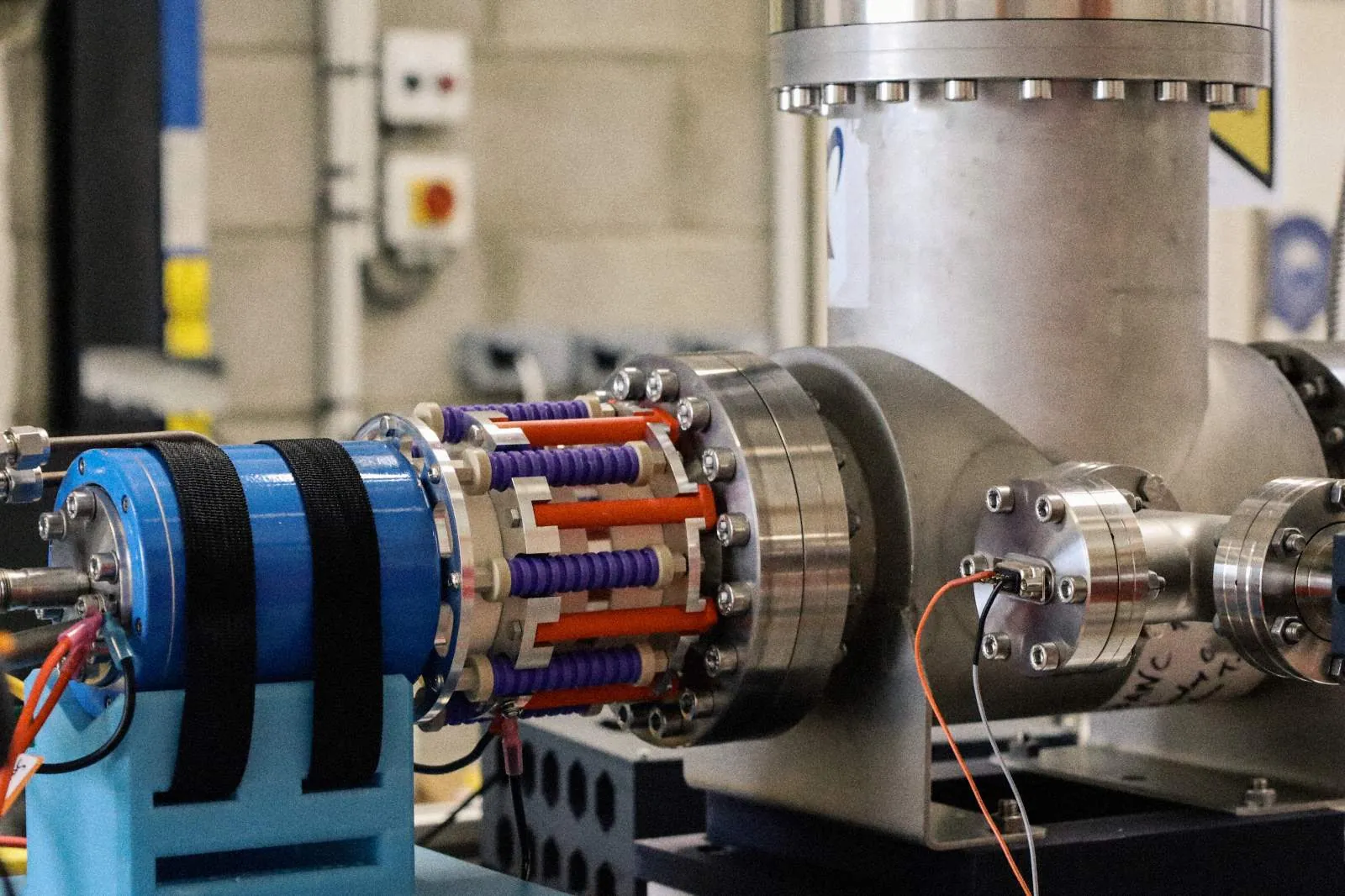
Three generations of hardware
TIPS
The reduced-scale thruster of the in-orbit demonstration with SpaceLocker.
MIST
The full-scale HPCR® thruster that will power Thorus.
Thorus fleet
Commercial operations, then a fleet of up to 20 vehicles for orbit raising, inspection and lifetime extension.
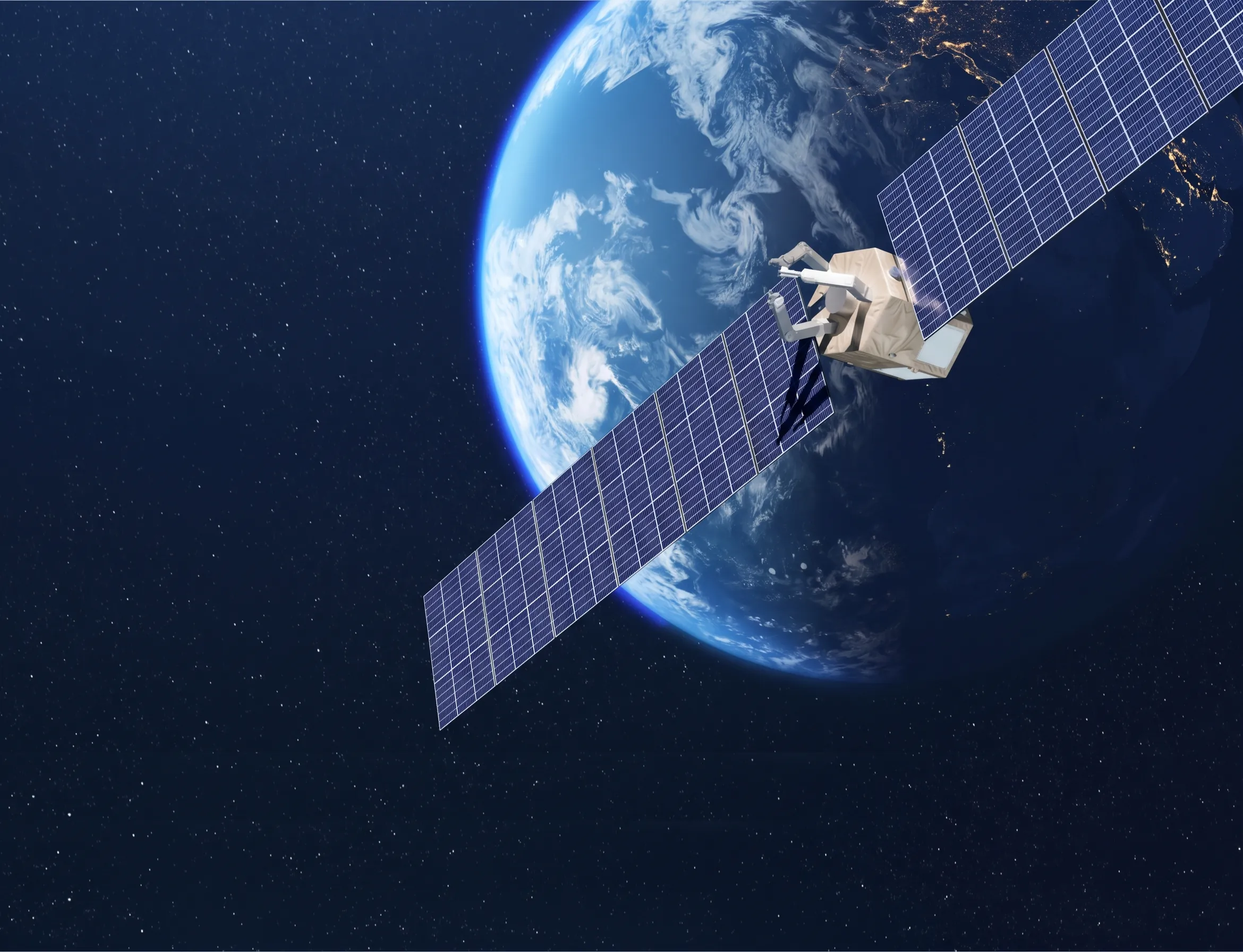
Thorus in orbit, around 2030
The first vehicles of the fleet start commercial operations, from low Earth orbit to geostationary orbit.
Discover Thorus